

Australian scientists have developed a groundbreaking online tool for assessing the environmental impact of fossil fuel projects on climate change. The tool, known as the Carbon Impacts Tracer, can predict the effects of proposed mines, offshore oil platforms, and other energy ventures on global warming, glacier melting, and human health.
According to Sarah Perkins-Kirkpatrick, a climate science professor at the Australian National University, the Carbon Impacts Tracer allows for a precise calculation of a project’s carbon dioxide emissions and their contribution to global temperature rise. By analyzing data from environmental assessments and scientific studies, the tool can estimate the real-world consequences of increased emissions, such as coral reef destruction, reduced food production, and job losses.
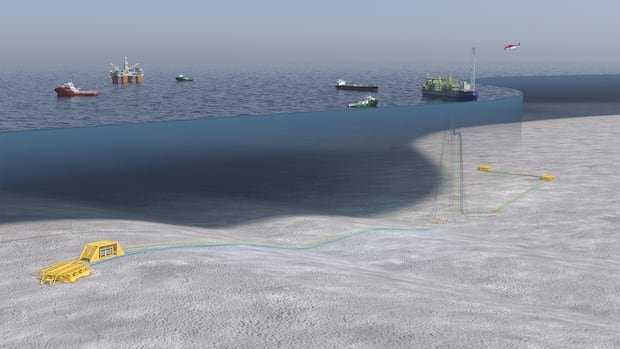
The Carbon Impacts Tracer was recently launched with case studies on various Australian projects, a U.K. initiative, and the Bay du Nord offshore oil project in Canada. The Bay du Nord project, led by Equinor, is projected to emit 188 megatonnes of CO2 over 20 years, resulting in a minimal temperature increase. The tool indicates that this level of emissions could lead to heat-related deaths, glacier loss, job cuts, and increased poverty.
While Equinor has not provided a response to these findings, experts like climatologist Joel Finnis emphasize the tool’s significance in highlighting the environmental repercussions of fossil fuel ventures. Maria Nawaz, head of the climate change accountability project at the University of New South Wales, believes the Carbon Impacts Tracer will aid in holding governments and corporations accountable for their emissions and strengthen climate litigation efforts.
Nawaz envisions the tool being utilized by insurers and economists to assess project risks and economic impacts. The online tool currently focuses on proposed developments, with plans to expand its coverage as more data becomes available.