
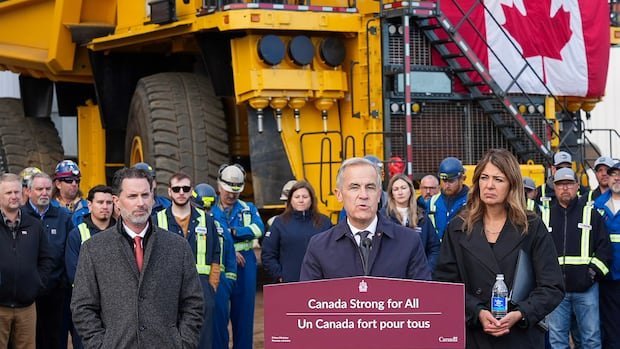

Métis leaders from the Wood Buffalo region in Alberta have accused the federal government of sidelining them in discussions regarding the proposed Pacific Link pipeline project. Prime Minister Mark Carney met with several First Nations leaders before declaring the new West Coast oil pipeline as a national interest project under the Building Canada Act. However, leaders from six Métis communities claim they were not consulted before the announcement.
During a news conference in Fort McMurray, the Métis leaders highlighted that they were not included in the joint federal-provincial announcement event on October 1 and were not made aware of the ownership stakes related to the pipeline project. Kelly Myers, district captain for Fort McMurray Métis, emphasized that their exclusion from the discussions was disrespectful and unacceptable.
The proposed Pacific Link pipeline aims to transport one million barrels of oil per day from Alberta’s oilsands to a deepwater port near Delta, B.C. The federal and provincial governments are targeting construction approvals by September 2027 with the pipeline operational by 2032 or 2033.
Carney has committed to offering a 10% ownership stake to Indigenous communities, along with contracting and employment opportunities. He stressed the importance of involving Indigenous groups from the project’s inception to ensure they benefit from the prosperity generated by the Pacific Link pipeline.
The Métis leaders representing communities in Fort McMurray, Fort Chipewyan, Fort McKay, Willow Lake, Conklin, and Chard expressed their concerns and questions about the project. While they did not outright oppose the pipeline, they raised apprehensions about potential impacts on the environment and their communities.
Ruby Ladouceur, president of Fort Chipewyan Métis Nation, voiced concerns about the pipeline contributing to increased oilsands development, which could escalate environmental risks. Leaders emphasized the need for meaningful consultation and inclusion in decision-making processes concerning projects that affect their regions.
The Alberta Indigenous Relations Minister’s press secretary, Zoe De Jonge, mentioned ongoing engagement with Indigenous leaders on the project. The Alberta government reaffirmed its commitment to maintaining relationships with First Nations and Métis communities through dialogue and engagement efforts.