

At Richfield Bowl in Flint, Michigan, the midday atmosphere is bustling with the sounds of bowling balls and pins clashing. Strikes, spares, and splits are taken seriously here. Scott Holmes expressed his support for President Donald Trump’s efforts to keep American jobs within the country, highlighting the impact of outsourcing on his son’s recent job loss. Conversely, Dick Hunt believes that the tariffs imposed by the president ultimately burden the people with higher costs.
Michigan residents, particularly those in the auto industry heartland, have been significantly affected by the ongoing trade conflict with Canada, their largest export market. The state faces substantial per-household tariff expenses, as indicated by a recent study by the U.S. National Taxpayers Union Foundation. This trade war has cast a shadow over the upcoming U.S. Senate election, where the Democrats aim to retain control of the Senate seat in Michigan, a crucial battleground.
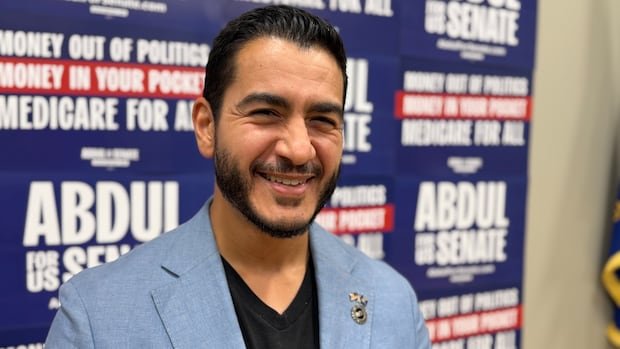
While some voters are unwavering in their support for Trump and believe in his economic strategies, others like Peggy Banks and Lisa McFadden feel that the tariffs have only increased the cost of living. The trade war has become a major topic in the election campaign, with Democratic candidate Abdul El-Sayed criticizing Trump’s approach and emphasizing the negative impact on consumers. El-Sayed advocates for targeted tariffs to support specific industries, contrasting the current broad implementation.
Republican nominee Mike Rogers aligns with Trump’s objectives on trade, emphasizing the importance of protecting Michigan’s auto industry from foreign competition. However, voter opinions on the tariffs vary, with some like Carl Olson believing that the situation will eventually stabilize, while others like Joan Castor and Matt Zastrow are divided on the impact of tariffs on their voting decisions.
Businesses in the region are cautious about political involvement amidst the uncertainty brought by the trade war. Glenn Stevens Jr., representing MichAuto at the Detroit Regional Chamber, emphasizes the need to address the economic implications rather than getting caught up in political rhetoric. The focus remains on sustaining industries, trade, and employment amid the ongoing trade tensions.