
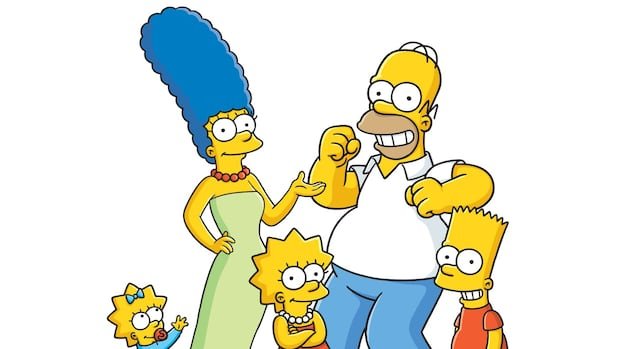

Growing up in Quebec, Joshua Biasotto developed a deep affection for watching The Simpsons in its Québécois French dubbed version. The long-standing American animated series captivated him with its distinct characters, witty humor, and satirical portrayal of life. Biasotto not only cherished the show but also cultivated a strong admiration for Quebec dubbing, going as far as researching the voice actors behind each character.
However, the future of Les Simpson became uncertain last August when Corus Entertainment’s Télétoon opted not to renew the Canadian broadcast rights for the 36th season. This decision endangered the beloved Quebec version of the show. Distraught by this development, Biasotto took immediate action by launching an online petition on Change.org titled Sauvons le doublage québécois des Simpsons — “Let’s save the Quebec dub of The Simpsons.” His motivation stemmed from a desire to preserve a significant aspect of Quebec’s cultural identity.
The Quebec adaptation of the series incorporated local expressions and cultural references, making it uniquely appealing to Quebecois audiences. Characters spoke with regional Quebec accents, including the colloquial dialect of joual, while American references were replaced with local Quebecois elements. The show’s cultural and geographical references were lauded by Ian Lafrenière, Quebec’s deputy premier, emphasizing the importance of preserving the Quebec version.
Dubbing has been a longstanding tradition in Quebec, allowing audiences to experience international entertainment in their native language while incorporating familiar voices, expressions, and references. Daniel Béland, director of the McGill Institute for the Study of Canada, highlighted the cultural significance of dubbing in Quebec as a means of maintaining the province’s distinct language and humor. He emphasized the challenges of translating humor effectively across languages, underscoring the importance of preserving Quebec’s dubbing industry.
The potential discontinuation of Les Simpson triggered a strong reaction in Quebec, with voice actors like Thiéry Dubé, who portrays Québécois Homer Simpson, expressing the cultural importance of the show. The revival of the series was made possible through Biasotto’s successful petition, which garnered over 35,000 signatures. As a result, Les Simpson was reinstated in May following a broadcasting agreement between Bell Media and Disney Entertainment.
The return of Les Simpson signifies a victory not only for its loyal fan base but also for Quebec’s dubbing industry. Elizabeth Pélissier, vice-president of difuze, a prominent French dubbing facility in Canada, expressed pride in contributing to the revival of the beloved series. The resurgence of Les Simpson coincides with a period of growth in Quebec’s dubbing sector, driven by the increasing volume of content from major streaming platforms.
Despite industry challenges and concerns about AI-generated dubbing, the success story of Les Simpson serves as a testament to the enduring popularity and influence of the show and its dedicated fan community. The reinstatement of the Quebec version not only preserves a cherished cultural tradition but also highlights the resilience and impact of fan advocacy in shaping the entertainment landscape.