
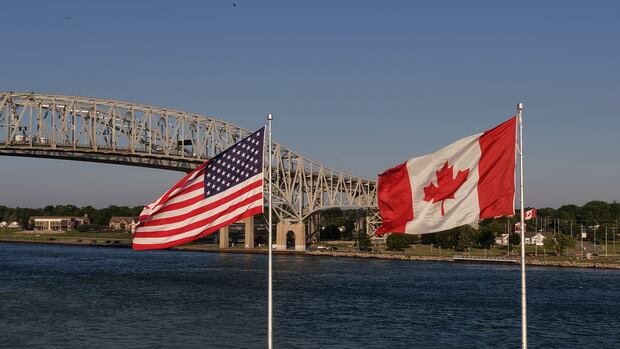

With just one week left before the implementation of new U.S. tariffs, concerns are rising among business groups in the Waterloo region of southern Ontario regarding the potential impact on local businesses and manufacturers. President Donald Trump announced plans in mid-July to impose a 50 percent tariff on Canadian exports to the U.S., including goods compliant with the Canada-U.S.-Mexico Agreement (CUSMA).
While Trump has previously threatened tariffs only to retract them later, the uncertainty surrounding the current situation is causing unease among businesses. Ian McLean, the president and CEO of the Greater Kitchener Waterloo Chamber of Commerce, emphasized the detrimental effects of uncertainty on business decision-making processes.
The U.S. administration cited Canada’s retaliatory measures against American trade policies as the reason for the tariff imposition, highlighting issues such as the removal of U.S. alcohol from Canadian stores and alleged discrimination against U.S. motor vehicles and dairy products. The impending 50 percent tariff adds complexity to the ongoing negotiations between Canadian and American officials regarding amendments to CUSMA.
If no agreement is reached, the new tariff rate will come into effect on August 19, impacting over 500 Canadian products across various categories including dairy, alcoholic beverages, and motor vehicles. Local business owners in the region are expressing a range of emotions, from anger and frustration to anxiety and hopefulness that the tariffs may not materialize.
Greg Durocher, president and CEO of the Cambridge Chamber of Commerce, noted the growing concern among businesses, with some feeling panicked over the uncertainty of how the tariffs will affect their operations. While efforts are being made to mitigate the impact, uncertainties persist among businesses and industry experts.
Negotiations between Canada and the U.S. extend beyond the tariff threats, as both sides are exploring potential avenues for trade deal resolutions. The Canadian government is reportedly considering meeting certain U.S. demands to alleviate the tariffs, including revisiting bans on American alcohol sales and adjusting retaliatory tariffs on U.S. autos and dairy products.
As discussions progress, hopes remain high for a mutually beneficial resolution that addresses sectoral tariffs on key Canadian exports and potentially extends the CUSMA. The federal government’s negotiation tactics are under scrutiny, with stakeholders emphasizing the importance of securing a fair deal that upholds Canadian interests without compromising national sovereignty.