
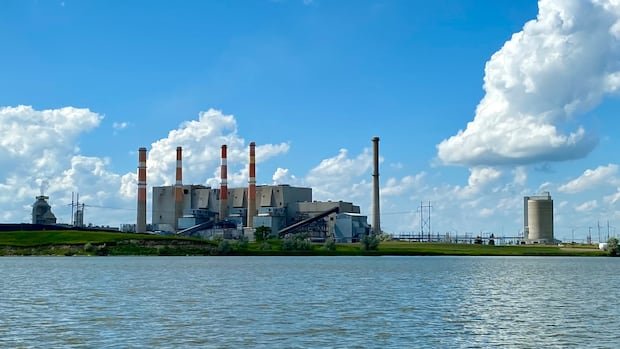

A recent study reveals that the Saskatchewan government’s choice to renovate its coal-fired power plants could incur expenses of up to $46.4 billion within the next two decades. This cost estimate surpasses the previously leaked internal SaskPower documents, which had projected costs of $26 billion over 25 years. Brett Dolter, a University of Regina economics associate professor, conducted the analysis to determine the implications of Saskatchewan’s strategy to transition its coal plants to nuclear power and Small Modular Reactors (SMRs).
Dolter’s examination indicates that this plan will be pricier and more environmentally damaging compared to retiring the coal plants and adopting a mix of natural gas facilities and renewable energy systems, the province’s initial strategy before the policy reversal in early 2025. He emphasized the potential savings per person and emissions reduction achievable through an alternative approach. Dolter compiled data from leaked SaskPower documents, submissions to the province’s rate review panel, and some assumptions due to the lack of transparency regarding the government’s internal analysis.
The financial advantages are further highlighted when factoring in carbon pricing. Without carbon pricing on heavy emitters, the projected cost of continuing with coal would amount to $30.2 billion over the next two decades. Dolter explained that introducing carbon pricing significantly reduces costs by more than half, attributing this to the substantial pollution generated by coal plants.
Despite the clear financial implications of the current course of action, Dolter refrained from speculating on the government’s rationale for pursuing this path. When queried about Dolter’s findings, the provincial government’s response evaded the question, emphasizing the importance of reliable and cost-effective electricity for Saskatchewan’s growth. Crown Investments Corporation Minister Jeremy Harrison defended the government’s approach, stressing a balanced strategy encompassing existing resources and future nuclear energy deployment.
The decision to refurbish Saskatchewan’s coal-fired plants in 2025 diverged from the province’s earlier trajectory towards a coal-free future. This shift was met with concerns about the economic impact on communities reliant on coal, such as Estevan and Coronach. The potential loss of jobs and population decline prompted the government’s decision, sparking a debate on the financial and legal risks associated with deviating from federal clean electricity regulations and carbon pricing mandates.
Saskatchewan’s defiance of federal regulations and its commitment to prolonging coal operations beyond 2029 could lead to legal challenges. Dolter warned that such actions could result in substantial financial losses if the coal plants require closure despite costly refurbishments. The province faces legal uncertainties by persisting with this approach, potentially jeopardizing its financial interests and energy transition plans.