
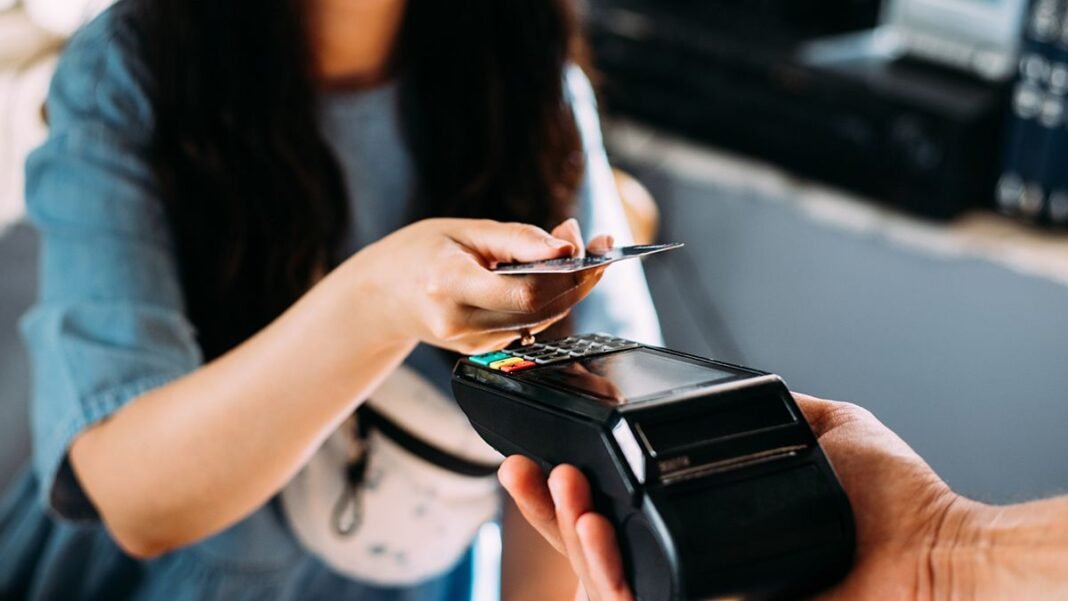

Starting today, a significant alteration in the payment process for goods at checkout is being implemented. The contactless card payment limit of £100, applicable to both debit and credit cards, has been eliminated as of March 19. Banks now have the authority to establish their own limits. Formerly, exceeding the £100 limit required entering a four-digit PIN for authorization. If multiple contactless payments under £100 accumulate to exceed £300 in a day, the PIN entry was mandatory.
The recent regulations, effective from March 19, involve the removal of the £100 limit, granting banks the flexibility to determine their limit policies. Moreover, individuals can now set their personalized contactless limit if desired.
Various card providers already allow users to adjust their contactless limit or deactivate the feature entirely. The contactless limit has seen progressive increments over the years, starting at £10 in 2007, eventually reaching £100 in 2021. The decision to remove the contactless limit was made by the Financial Conduct Authority (FCA) following a consultation process.
With an estimated 85% of UK residents making monthly contactless payments, the FCA emphasized the enhancement of fraud prevention measures. The FCA’s aim is to ensure adaptable rules for future advancements, offering choices to both consumers and financial institutions.
Several banks, including NatWest and Nationwide, have no immediate plans to alter the contactless limit. However, they provide options for customers to adjust their limits or disable contactless payments through their banking apps. Similarly, other banks like Santander, Barclays, TSB, and Monzo offer customization of contactless limits or settings to meet individual preferences.
Overall, the evolution in contactless payment limits reflects the shift towards convenience and flexibility in payment methods, catering to the diverse needs and preferences of consumers.