
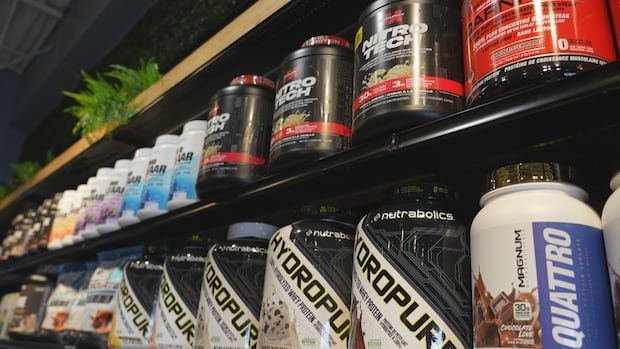

The rising cost of whey protein is causing concern for consumers like Jennifer Mason, who is reevaluating her dietary choices due to the impact on her budget as a new parent. The surge in prices is attributed to increased demand from food manufacturers and fast food chains incorporating whey protein into a variety of products, creating shortages and driving prices to unprecedented levels. Additionally, the U.S.-Canada trade tensions are exacerbating the situation, potentially leading to higher costs for consumers.
Protein-rich products, from snacks to beverages, are becoming more prevalent in stores, with well-known brands and figures like Khloé Kardashian and Starbucks introducing protein-enhanced options. This trend is fueled by health-conscious consumers and influencers advocating for higher protein consumption, particularly in light of weight-loss medications like Ozempic that may necessitate increased protein intake to preserve muscle mass.
The scarcity of whey protein concentrate, a key ingredient in high-protein foods, is impacting smaller businesses like Daryl’s Bars, which struggle to secure sufficient supply amid heightened competition from major companies. With most of Canada’s whey protein imported from the U.S., the sharp price hikes in recent months have forced companies like Daryl’s Bars to raise prices to offset their escalating production costs.
The trade dispute between the U.S. and Canada has further strained the situation, with the Canadian government imposing tariffs on American whey imports in response to U.S. tariffs on Canadian goods. This trade war has added to the challenges faced by food manufacturers, prompting them to explore alternative sourcing options to mitigate the impact on their businesses.
The complex nature of whey protein production, as a byproduct of cheese manufacturing requiring specialized processing, presents obstacles to quickly increasing supply to meet the growing demand. As a result, consumers may experience continued price increases in protein products, potentially prompting some, like Nathan Bugiardini, to consider reducing their consumption or exploring alternative options until prices stabilize.
While the future of whey protein pricing remains uncertain, consumers like Audrey Marcoux are willing to absorb the higher costs for now, while others, like Melania Antic, are turning to plant-based alternatives and whole foods as a more affordable option amidst the challenging market conditions.