
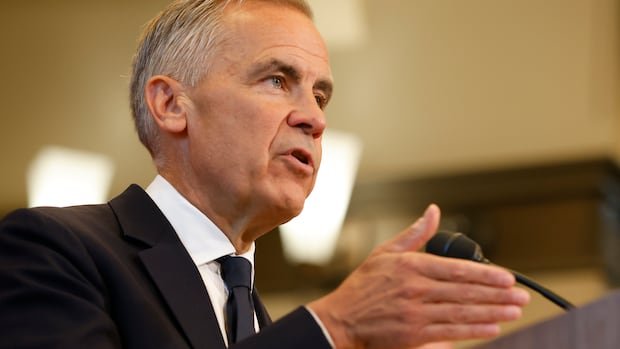

Prime Minister Mark Carney instructed his negotiators to walk away from the negotiations table following the Trump administration’s late introduction of unacceptable demands related to culture, autos, and sovereignty. Carney expressed disappointment, stating that the U.S. exhibited disinterest in establishing a genuine economic partnership with Canada, as evidenced by their unreasonable requests.
Carney criticized the U.S. for proposing changes that would negatively impact Canada’s subsidies for French culture, the use of French-language media online, and the requirement for bilingual product labels. He emphasized that these demands were unacceptable to Canada from the outset.
Regarding the auto industry, Carney highlighted the U.S.’s unfair treatment of Canadian-made parts and their inconsistent exemption of certain vehicles from tariffs without justification. These late demands, if accepted, would have harmed Canada’s vehicle production in the long run.
Ontario Premier Doug Ford supported Carney’s decision to halt negotiations, asserting that Canada is prepared to emerge victorious in any trade disputes with the U.S. Ford criticized the proposed deal as detrimental to various sectors such as auto, steel, and manufacturing in Ontario.
Carney revealed that the U.S. attempted to include provisions in the agreement that would undermine Canada’s sovereignty. He emphasized that Canada values free trade and rejected any restrictions imposed by the U.S. on its ability to engage in trade agreements with other nations.
The abrupt changes proposed by the U.S. disrupted months of negotiations that were previously heading towards a fair deal for Canadians. Carney announced retaliatory measures, including imposed tariffs on U.S. goods, to counter the U.S.’s actions.
In response to the failed negotiations, Conservative Leader Pierre Poilievre criticized the U.S.’s imposition of tariffs on Canada and pledged support to protect Canadian industries. He stressed the importance of continuing the fight for tariff-free trade to safeguard Canadian jobs and businesses.
Economist Trevor Tombe warned that the imposed tariffs could result in significant job losses across Canada, with Alberta, Ontario, Quebec, and British Columbia being the most affected regions. The federal Liberal government estimated that the tariffs would impact billions worth of Canadian goods and jeopardize thousands of jobs.
Carney expressed concern for the impact of the failed negotiations on ordinary citizens and vowed to support affected businesses beyond the current administration. He promised to release further details on supporting businesses harmed by the tariffs in the coming week.