
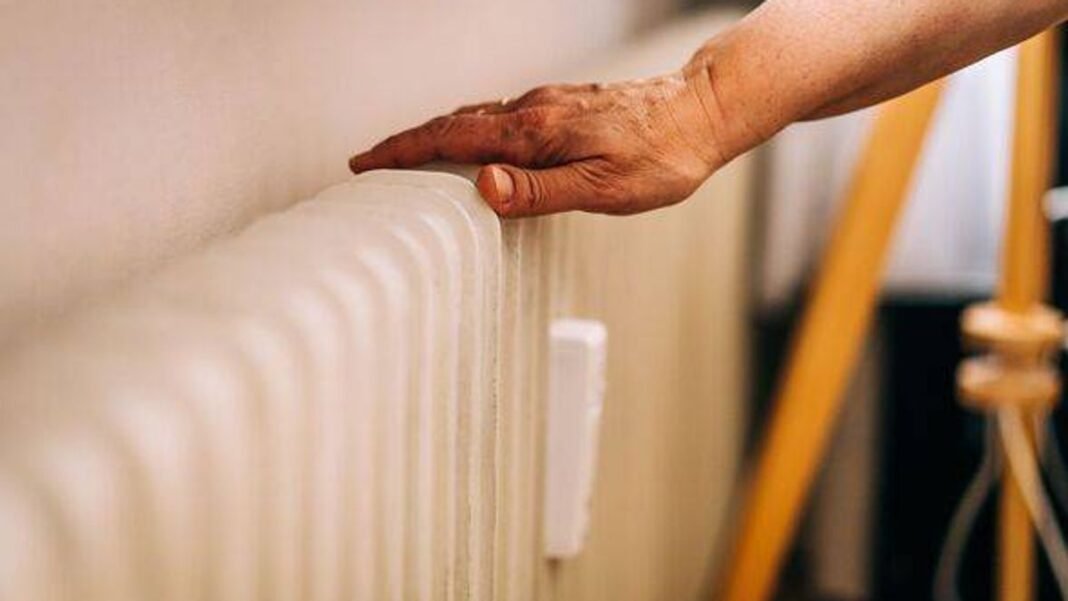

As temperatures drop, the age-old debate about whether to maintain constant low heat or switch heating on and off has resurfaced. Advocates of the “low and slow” method argue that keeping radiators on constant low heat is more efficient for home warming.
On the other hand, some dissent from this approach. Martin Lewis from Money Saving Expert has put an end to the debate by consulting experts from the Energy Saving Trust, British Gas, an independent plumber, and feedback from MoneySavers on social media, as reported by the Express.
The consensus seems to be that leaving the heating on all day leads to more heat loss and higher costs, according to MSE. However, both sides of the heating debate have their merits, with the flexibility to adapt based on individual circumstances.
The Energy Saving Trust confirms that running heating continuously is less efficient. The recommendation is to deliver warmth to your property only when needed, ensuring you pay for heating during necessary periods.
For maintaining a desired home temperature precisely when required, a programmable thermostat is the best option. Nevertheless, if you have a modern boiler or heat pump, are at home all day, or spend most evenings and weekends at home, the low and slow method may be more suitable, as suggested by Heat Geek.
Heat pumps, a low-carbon electric heating form, capture heat from outside the home. Modern condensing boilers, installed after 2005, recover waste heat efficiently. In these cases, maintaining a constant 18 or 19°C might be more effective.
By avoiding sudden temperature increases and slow heating responses, the boiler can recover more waste heat. However, this method may not be ideal if you are frequently away from home or have walls that heat up quickly, such as plasterboard walls.
For homes with cavity wall and loft insulation or underfloor heating, the low and slow method is recommended. Supporters of this approach believe it helps prevent condensation buildup within walls each time the heating is turned off, which can lead to heat loss and dampness.
As there is no definitive answer, MSE suggests a trial-and-error approach by comparing energy usage with each method. Take meter readings at the start and end of each experiment, matching temperatures during testing weeks for accurate comparison.
At Reach and its entities, data collected through cookies is used to enhance user experience, analyze site usage, and display personalized ads. Users can opt out of data sale or sharing anytime by clicking the “Do Not Sell or Share my Data” button on the website. Continued use of the website signifies acceptance of cookie usage and consent to the privacy and terms outlined in the Privacy Notice and Terms and Conditions.