
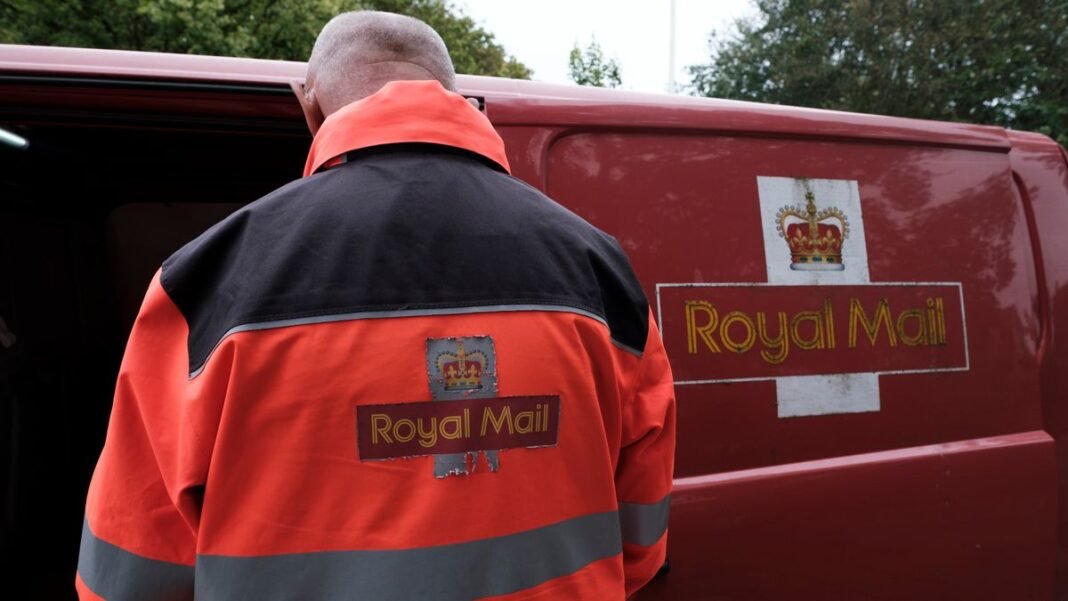

Royal Mail may soon increase the price of first-class stamps, potentially aggravating its already dissatisfied customers due to ongoing service delays. While an official decision is yet to be announced, the postal service provider has a history of raising stamp prices around this time of year.
In the previous year, the cost of a first-class stamp rose by 5p to £1.70, marking a substantial increase from 76p in 2020, amounting to a 124% surge. Meanwhile, second-class stamp prices, although capped, also saw a hike from 65p in 2020 to 87p in the previous April.
Complaints from Royal Mail employees reveal that mail deliveries are being missed regularly, with parcels taking precedence over letters due to the overwhelming workload. Despite the company denying these claims, more than 20 postal workers nationwide shared their concerns with the BBC, reporting delays and prioritization of parcels over letters.
Weather conditions, coupled with high sick leave rates, have caused temporary disruptions to mail routes, affecting delivery schedules. Quarterly reports expected before the end of February might indicate further missed delivery targets by Royal Mail, following a significant fine imposed on the company last year for failing to meet service standards.
Royal Mail, now under the ownership of Czech billionaire Daniel Kretinsky, has faced consecutive fines for not meeting delivery targets over the past few years. As part of service adjustments, the company has been authorized to reduce second-class letter deliveries to five days every two weeks, transitioning to alternate weekdays to adapt to declining letter volumes.
Despite efforts to improve service, Royal Mail is still in negotiations with the Communication Workers Union regarding operational changes. The union remains skeptical about the company’s ability to enhance services, expressing concerns over the ongoing crisis within Royal Mail.
Moreover, Royal Mail has issued warnings about potential service disruptions in more than 100 UK postcodes due to severe weather conditions and staff absenteeism.