
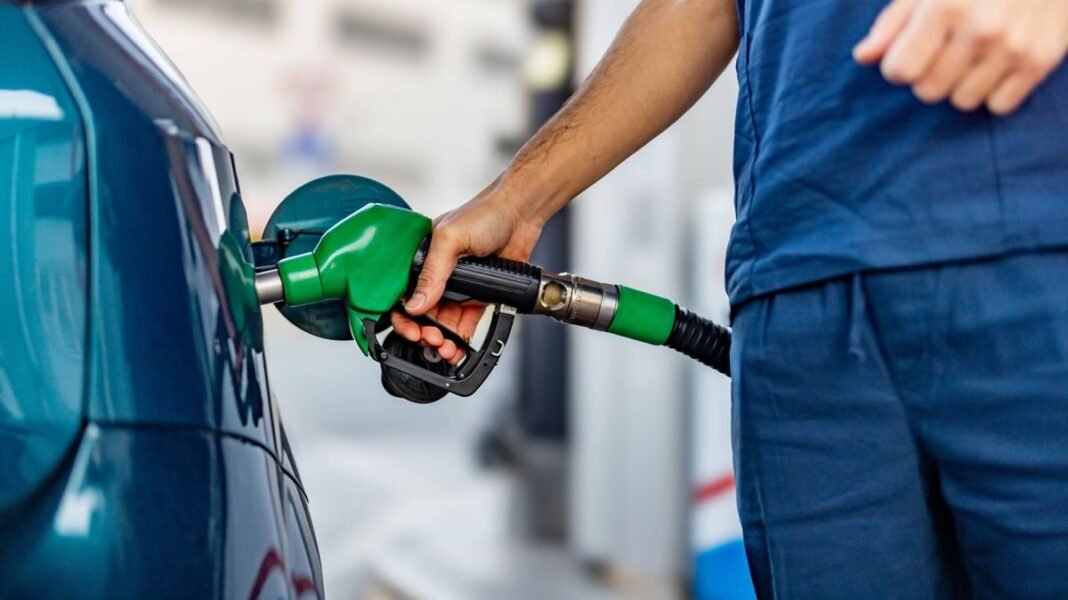

Amid ongoing turmoil in the Middle East, discussions on escalating prices and potential financial impacts are circulating. Recent concerns over fuel costs have sparked minor frenzies at gas stations as individuals hurried to fill their tanks in response to the conflict.
The correlation between conflicts and economic shifts is well-established. Historically, during times of war or instability, prices across various sectors such as energy, fuel, food, and interest rates tend to surge. Notably, past instances like the pandemic and the conflict in Ukraine saw significant spikes in fuel prices.
The current Middle East conflict is further complicated by its geographical proximity to key oil and gas producers, many of which have been targeted in attacks. Given that a substantial portion of global oil and gas transportation passes through the Strait of Hormuz, situated in the heart of the conflict zone, it is likely that fuel costs will continue to rise even if the situation sees a sudden resolution.
The repercussions of heightened fuel prices extend beyond just drivers, affecting transportation services from taxis to airlines and leading to increased costs for essential goods due to rising shipping expenses and heightened demand. While established fuel suppliers in the UK have mechanisms to secure fuel at set prices, market renegotiations can trigger price hikes.
The impact of fuel price concerns transcends individual finances, influencing governmental decisions worldwide. Recently, the International Energy Agency (IEA) announced a significant release of oil reserves in a bid to alleviate prices, yet market apprehensions persist. Expectations of further interventions to stabilize markets are high, although prolonged conflicts are likely to sustain elevated prices.
In light of anticipated fuel price escalations, consumers are urged to explore cost-saving strategies. Initiatives like the government’s ‘Fuel Finder’ service aim to promote price transparency, allowing consumers to make informed choices through real-time updates from petrol suppliers. Utilizing free comparison apps can further aid in locating the best fuel deals nearby.
Additionally, adopting fuel-efficient driving practices can help mitigate costs, from joining car pools to minimizing idling and ensuring optimal tire pressure. Consideration of alternative vehicle options, such as electric or hybrid models, is also advised, given the declining prices and improved affordability in the market. However, practical considerations like charging infrastructure and long-distance travel patterns should be factored in when contemplating a switch to electric vehicles.